
How Augmented Reality is Building Artemis II
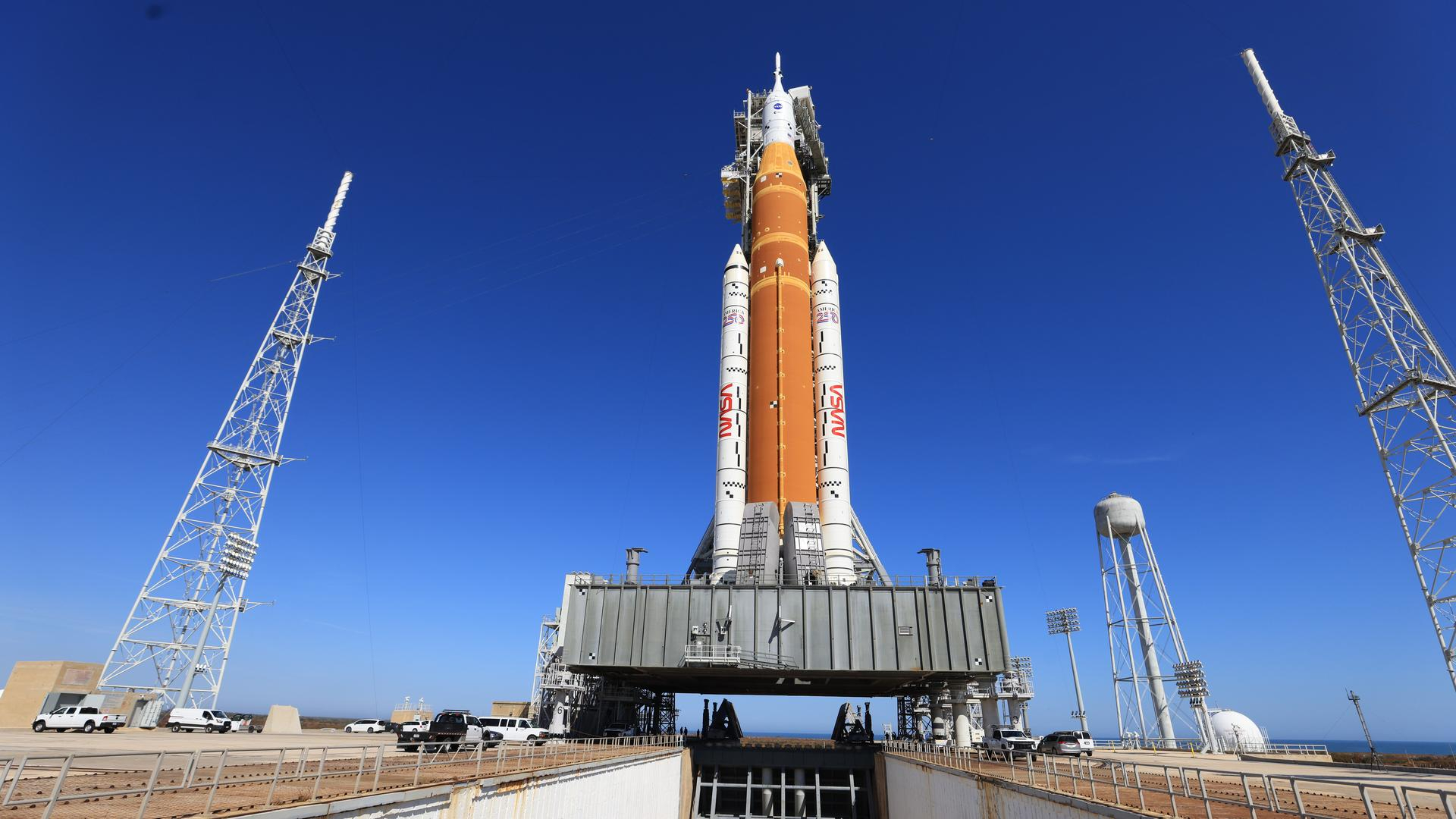
It’s an open secret that I’m a Star Trek nerd. When I was young, I used to assemble Star Trek models and hang them from the ceiling in my room. I had the Enterprise D, Romulan and Klingon ships, all on a backdrop of glow-in-the-dark stars (and they’re still there in my childhood home!). So you can imagine my excitement that Scope AR is a critical component in the manufacturing process to build real life spaceships, like Artemis II.
But this is actually a bigger moment than returning humans to the moon - it’s also a milestone for space exploration and a reminder of what American manufacturing is capable of on the biggest stage. What makes that especially exciting is that augmented reality is not just playing a supporting role in one high-profile program. It is becoming an important part of how advanced manufacturing gets done, especially in aerospace. AR is helping teams reduce risk, improve precision, and make incredibly complex work easier to execute with confidence.
What’s less visible but equally transformative is how this mission reflects broader changes in advanced manufacturing back here on Earth, especially in aerospace. Orion isn’t just a feat of engineering. It’s also a showcase for modern digital tools that are reshaping how complex products are designed, assembled, and sustained.
Lockheed Martin and other aerospace leaders are integrating AR directly into development and production workflows to reduce risk, improve precision, and clarify complexity long before hardware is built. Engineers can visualize full-scale 3D models in real space to check fit and tolerances. Technicians on the shop floor can see digital work instructions overlaid on physical components, guiding them step by step, reducing errors and increasing confidence. This isn’t a “cool demo”, it is now part of how major aerospace programs stay competitive.
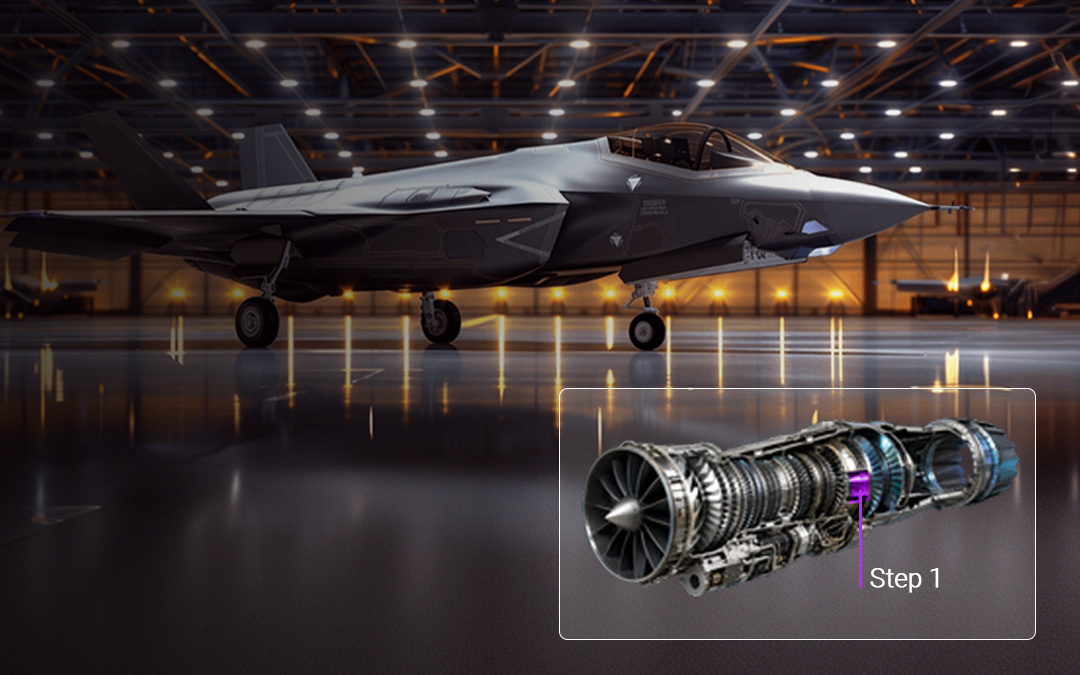
These advancements aren’t unique to space vehicles. Consider the aerospace defense sector’s F-35 Lightning II program, where Northrop Grumman just delivered its 1,500th center fuselage from its Integrated Assembly Line in Palmdale. This isn’t just a production milestone. Cutting-edge AR tools helped reduce assembly time by 35 percent and significantly shorten the learning curve for new technicians. That is how future builders are being trained and empowered.
Across the industry we are seeing digital tools move from prototype to mainstream. AR helps teams:
• Capture tribal knowledge and make it visual
• Speed onboarding and reduce costly mistakes
• Bring design intent to life on the factory floor
• Connect remote teams with shared live views of complex work
These capabilities matter for American manufacturing as a whole. Global competitiveness increasingly hinges not just on capital equipment or supply chains, but on how well companies activate human expertise with digital technology. Aerospace programs like Artemis and the F-35 are early indicators of this transition. The lessons learned on these programs are spreading into energy, transportation, and heavy industry.
As we celebrate the achievements of Orion and the broader Artemis effort, we should also recognize the quieter transformation happening inside factories and assembly halls. Augmented reality is no longer a fringe capability. It is becoming a practical enabler of precision, safety, speed, and scale in high-consequence manufacturing. The organizations that use these tools well will be better positioned to train their workforce, improve execution, and solve increasingly difficult problems.
And I have to say, my 9-year-old self would be incredibly proud of Scope AR’s role in this manufacturing revolution.



.png)


.png)